
Chapter 01 · Exotics and Superfoods
Imported Dragon Fruit in India



PR Agrifresh imports dragon fruit into India from Vietnam, available year-round in both red-flesh and white-flesh varieties. Known in India as kamalam, dragon fruit has moved from novelty to a listed line in most modern retail fruit sections inside a few years, largely on the strength of how it looks.
- Origins
- Vietnam
- Season
- Year-round
- Handling
- Temperature controlled
Chapter 02 · Character
Red and white dragon fruit
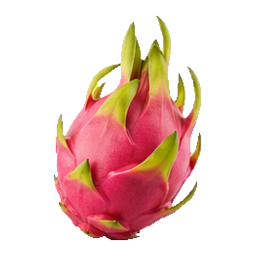
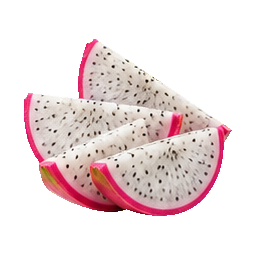
Pink skin with green scales, white flesh flecked with fine black seeds. Mild, lightly sweet, closer to a melon than to anything tropical. This is the volume line — the more familiar fruit, the more forgiving in handling and the lower price point.
Chapter 03 · Product detail
How dragon fruit is available all year
The same exterior, a deep magenta interior. Noticeably sweeter than white flesh and dramatically more striking on a cut plate, which is why hotels and dessert programmes specify it. It prices above white and moves particularly well in premium retail and gifting.

- 01Whole form
- 02First reveal
- 03Structure
- 04Prepared detail
- 05Interior focus
Chapter 04 · Inside
Imported vs domestic dragon fruit

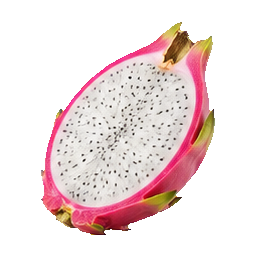

Natural structure
Fresh visual cues
Chapter 05 · Selection
Dragon fruit price in India
- 01
Scale condition — the green fins should be fresh and pliable, not dried or browning. This is the clearest freshness indicator on the fruit
- 02
Skin colour — even, deep pink with no blotching or sunken areas
- 03
Firmness — the fruit should give slightly under pressure but not feel soft
- 04
Flesh colour verified against the order, not assumed from the exterior
- 05
Size and count uniformity within the carton
- 06
Absence of chilling injury — a real risk on this commodity and easy to miss on arrival
Chapter 06 · Origin to arrival
What we select for
The two are frequently sold interchangeably in the Indian market, which is a mistake — a buyer who wants red flesh for a plated dessert cannot substitute white, and a retailer paying red-flesh prices for white-flesh fruit is losing money on every carton. Flesh colour should be specified in writing on every order.
- 01
Orchard
- 02
Harvest
- 03
Selection
- 04
Packing
- 05
Cold storage
- 06
Shipping
- 07
Arrival
- 08
Distribution
Product gallery
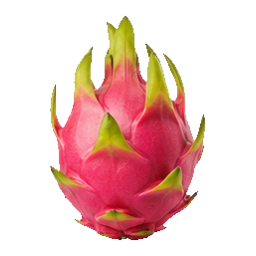
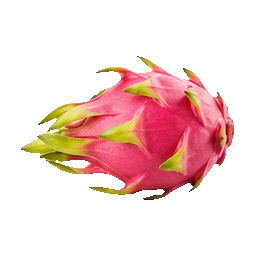
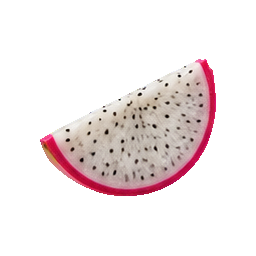

Red and white dragon fruit
White-flesh dragon fruit
Pink skin with green scales, white flesh flecked with fine black seeds. Mild, lightly sweet, closer to a melon than to anything tropical. This is the volume line — the more familiar fruit, the more forgiving in handling and the lower price point.
Red-flesh dragon fruit
The same exterior, a deep magenta interior. Noticeably sweeter than white flesh and dramatically more striking on a cut plate, which is why hotels and dessert programmes specify it. It prices above white and moves particularly well in premium retail and gifting.
The two are frequently sold interchangeably in the Indian market, which is a mistake — a buyer who wants red flesh for a plated dessert cannot substitute white, and a retailer paying red-flesh prices for white-flesh fruit is losing money on every carton. Flesh colour should be specified in writing on every order.
How dragon fruit is available all year
Dragon fruit is a cactus, and in Vietnam it is grown under an unusual production system. Growers extend flowering outside the natural season using night lighting, which triggers additional cropping cycles. The result is near-continuous production rather than a single harvest window.
For an importer that changes the planning entirely. Vietnam also has the shortest sailing time of any origin in our network. Together those two facts make dragon fruit one of the very few categories where supply can be adjusted close to the date rather than committed months ahead — useful when a promotion moves or a season underperforms.
Imported vs domestic dragon fruit
India now grows dragon fruit commercially, mainly in Gujarat, Maharashtra, Karnataka and Andhra Pradesh, and the domestic crop is expanding. It is genuinely good fruit and it has a season, running roughly June to November.
Imported Vietnamese fruit competes on three things: availability in the months when the Indian crop is finished, consistency of size and grade at volume, and reliability of red-flesh supply, which is still thin domestically. Most serious retail programmes use both — domestic in season, imported to hold the shelf the rest of the year.
Dragon fruit price in India
Dragon fruit wholesale price moves with flesh colour, size grade, arrival condition and week. Red flesh prices above white. Larger counts price above smaller. And dragon fruit box price varies with pack format — trays and cartons are not directly comparable on a per-kilo basis.
As a dragon fruit supplier in India we quote per consignment against a specification rather than publishing a rate card. Send flesh colour, size grade, monthly volume and delivery city for current landed pricing.
What we select for
- 01
Scale condition — the green fins should be fresh and pliable, not dried or browning. This is the clearest freshness indicator on the fruit
- 02
Skin colour — even, deep pink with no blotching or sunken areas
- 03
Firmness — the fruit should give slightly under pressure but not feel soft
- 04
Flesh colour verified against the order, not assumed from the exterior
- 05
Size and count uniformity within the carton
- 06
Absence of chilling injury — a real risk on this commodity and easy to miss on arrival
Handling and cold chain
Dragon fruit is carried at around 5 to 8°C. Below that range it suffers chilling injury — skin browning and scale dieback that typically shows up after arrival rather than during inspection, which makes it the expensive kind of damage. It is a tropical commodity and treating it like temperate fruit is the most common handling error we see.
Consignments are precooled at origin, moved under continuous temperature control at the correct tropical set point, and condition-checked before release into distribution.
Supply and pack formats
Supplied in original export cartons and trays across standard size grades to distributors, wholesale traders at Vashi APMC and Azadpur mandi, modern retail chains, hotels and dessert programmes, and institutional buyers.
Frequently asked questions
What is the difference between red and white dragon fruit?
Both have pink skin with green scales. White-flesh fruit is mild and lightly sweet; red-flesh fruit has deep magenta interior, is noticeably sweeter and prices higher. Flesh colour should be specified on every order.
Is dragon fruit available all year in India?
Yes. Vietnamese production runs near-continuously through extended-season growing, and the short sailing time to India means supply can be planned close to the date.
What is dragon fruit called in India?
Kamalam. It is also widely sold simply as dragon fruit, and pitaya is the international trade name.
What is the wholesale price of dragon fruit in India?
It depends on flesh colour, size grade, pack format and arrival week, with red flesh priced above white. Send your specification and volume for a current landed quote.
How do I know if a dragon fruit is fresh?
Look at the green scales. Fresh fruit has firm, pliable green fins; dried, shrivelled or browning scales mean the fruit is past its best regardless of how the skin looks.
Continue exploring
Start a conversation
Bring premium dragon fruit to your market
Tell us the flesh colour, size grade and volume you need. Our teams in Navi Mumbai and Delhi will confirm availability and landed pricing.