
Chapter 01 · Seasonal Delights
Imported Plums in India




PR Agrifresh imports plums into India from South Africa and Chile between November and April, peaking across January and February. Known in India as aloo bukhara, imported plums arrive in the exact months when the domestic Himachal and Kashmir crop is out of season — which is the whole point of the category.
- Origins
- South Africa · Chile
- Season
- November — April
- Handling
- Temperature controlled
Chapter 02 · Character
Why imported plums are a winter fruit in India
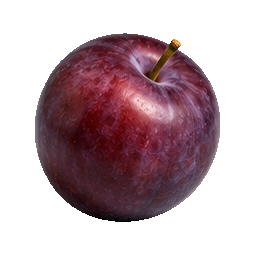
India's own plum harvest is a summer crop, running roughly May to July in the northern hill states. South Africa and Chile are in the southern hemisphere, so their harvest lands squarely in the Indian winter.
Chapter 03 · Product detail
Plum varieties and types
The result is a fruit most Indian buyers instinctively file as a summer item appearing on shelves in December. It catches people out, and it is exactly the kind of gap that makes an imported programme profitable — there is no domestic competition in that window at all.
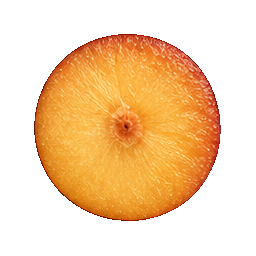
- 01Whole form
- 02First reveal
- 03Structure
- 04Prepared detail
- 05Interior focus
Chapter 04 · Inside
Season and origins
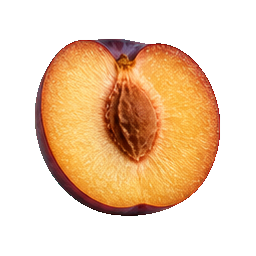
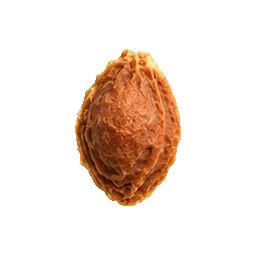

Natural structure
Fresh visual cues
Chapter 05 · Selection
Plum price in India
- 01
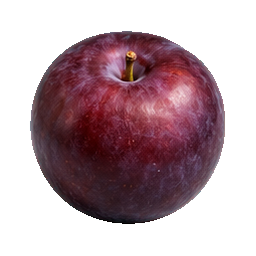
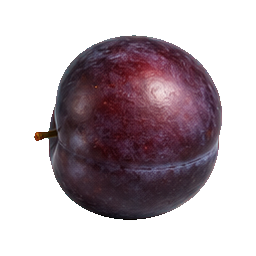
Bloom — the natural waxy coating on the skin. Intact bloom means the fruit has not been over-handled, and it is the first thing to look for
- 02
Skin colour development — even colour break, since a partly green plum reads as unripe regardless of how it eats
- 03
Firmness at packing, measured so the ripening window can be planned
- 04
Brix and acid balance — plums swing widely between varieties and this is what separates a good eating experience from a sour one
- 05
Count uniformity within the carton
- 06
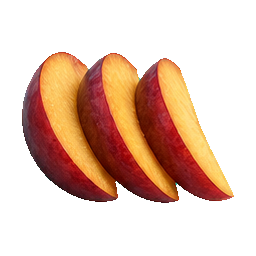
Absence of internal breakdown — gel breakdown and flesh browning appear only when the fruit is cut
Chapter 06 · Origin to arrival
What we select for
Plums are usually specified by colour and eating character rather than by variety name at retail, though variety matters at buying level.
- 01
Orchard
- 02
Harvest
- 03
Selection
- 04
Packing
- 05
Cold storage
- 06
Shipping
- 07
Arrival
- 08
Distribution
Product gallery
Why imported plums are a winter fruit in India
India's own plum harvest is a summer crop, running roughly May to July in the northern hill states. South Africa and Chile are in the southern hemisphere, so their harvest lands squarely in the Indian winter.
The result is a fruit most Indian buyers instinctively file as a summer item appearing on shelves in December. It catches people out, and it is exactly the kind of gap that makes an imported programme profitable — there is no domestic competition in that window at all.
Plum varieties and types
Plums are usually specified by colour and eating character rather than by variety name at retail, though variety matters at buying level.
| Type | Character | Position |
|---|---|---|
| Red-skinned | Bright to deep red skin, amber or red flesh, balanced sweet-tart | The volume line in most retail programmes |
| Dark and near-black skinned | Deep purple-black skin with a heavy natural bloom, rich sweetness | Strong shelf presence, premium positioning |
| Sugar plum types | Very high sugar, low acidity, firm bite | Premium retail and gifting |
| Yellow and amber-fleshed | Lighter, more aromatic, softer acidity | Specialty and food service |
Commercial varieties commonly traded from these origins include Angeleno, Fortune, Songold, Laetitia and African Delight. Which of these are available depends on the origin and the week.
Season and origins
| Origin | Window | Character |
|---|---|---|
| South Africa | November — March | The main window. Broad variety range with rigorous export grading |
| Chile | December — April | Late-season supply extending the window towards the Indian spring |
Plum price in India
Plum wholesale price moves with origin, variety, count size, grade, colour development and arrival week. Sugar plum types price above standard red. Fruit arriving in the December gifting window prices differently from the same fruit in March.
We quote against a specification rather than publishing a rate card. Send variety or colour type, count size, monthly volume and delivery city for current landed pricing and the window it holds for.
What we select for
- 01
Bloom — the natural waxy coating on the skin. Intact bloom means the fruit has not been over-handled, and it is the first thing to look for
- 02
Skin colour development — even colour break, since a partly green plum reads as unripe regardless of how it eats
- 03
Firmness at packing, measured so the ripening window can be planned
- 04
Brix and acid balance — plums swing widely between varieties and this is what separates a good eating experience from a sour one
- 05
Count uniformity within the carton
- 06
Absence of internal breakdown — gel breakdown and flesh browning appear only when the fruit is cut
Ripening
Like pears, plums are picked firm and soften after harvest. A plum that arrives hard is edible but flat; the sugars read properly only once it has softened slightly. Fruit is held cold through transit to hold ripening, then allowed to condition close to point of sale.
Handling and cold chain
Plums are carried at around -0.5 to 0°C. They are particularly vulnerable to internal breakdown when held at intermediate temperatures — roughly 2 to 8°C — which causes mealy texture and flesh browning that only appears on cutting. Either properly cold or properly ripening; the middle is where the fruit is lost. Consignments are precooled at origin, moved under continuous temperature control and condition-checked before release.
Supply and pack formats
Supplied in original export cartons and punnets across standard count sizes to distributors, wholesale traders at Vashi APMC and Azadpur mandi, retail chains, gifting programmes, HoReCa and institutional buyers.
Frequently asked questions
When are imported plums available in India?
November to April, peaking January and February, from South Africa and Chile. India's own plum season is a summer crop, so the two do not overlap.
What is a plum called in Hindi?
Aloo bukhara. It should not be confused with jamun, which is a separate Indian fruit sometimes called black plum but botanically unrelated.
What is the difference between South African and Chilean plums?
Mainly timing. South African fruit covers November to March and Chilean fruit extends the window through to April. Variety availability differs by origin and week.
What is the wholesale price of imported plums in India?
It depends on variety, origin, count size and arrival week, with sugar plum types priced above standard red. Send your specification and volume for a current landed quote.
How should imported plums be stored?
Cold, at close to 0°C, until you want them to ripen. Holding plums at intermediate temperatures causes internal breakdown that is invisible until the fruit is cut.
Continue exploring
Start a conversation
Bring premium plums to your market
Tell us the variety or colour type, count size and volume you need. Our teams in Navi Mumbai and Delhi will confirm availability and landed pricing.