
Chapter 01 · Core Essentials
Shine Muscat & Imported Grapes in India


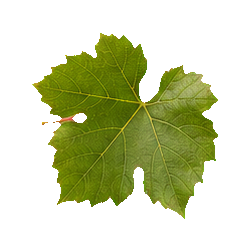

PR Agrifresh imports premium table grapes into India from China and Vietnam between July and November, led by Shine Muscat — the variety that has done more to change what Indian consumers expect from a grape than anything in the last decade.
- Origins
- China · Vietnam
- Season
- July — November
- Handling
- Temperature controlled
Chapter 02 · Character
Shine Muscat grapes
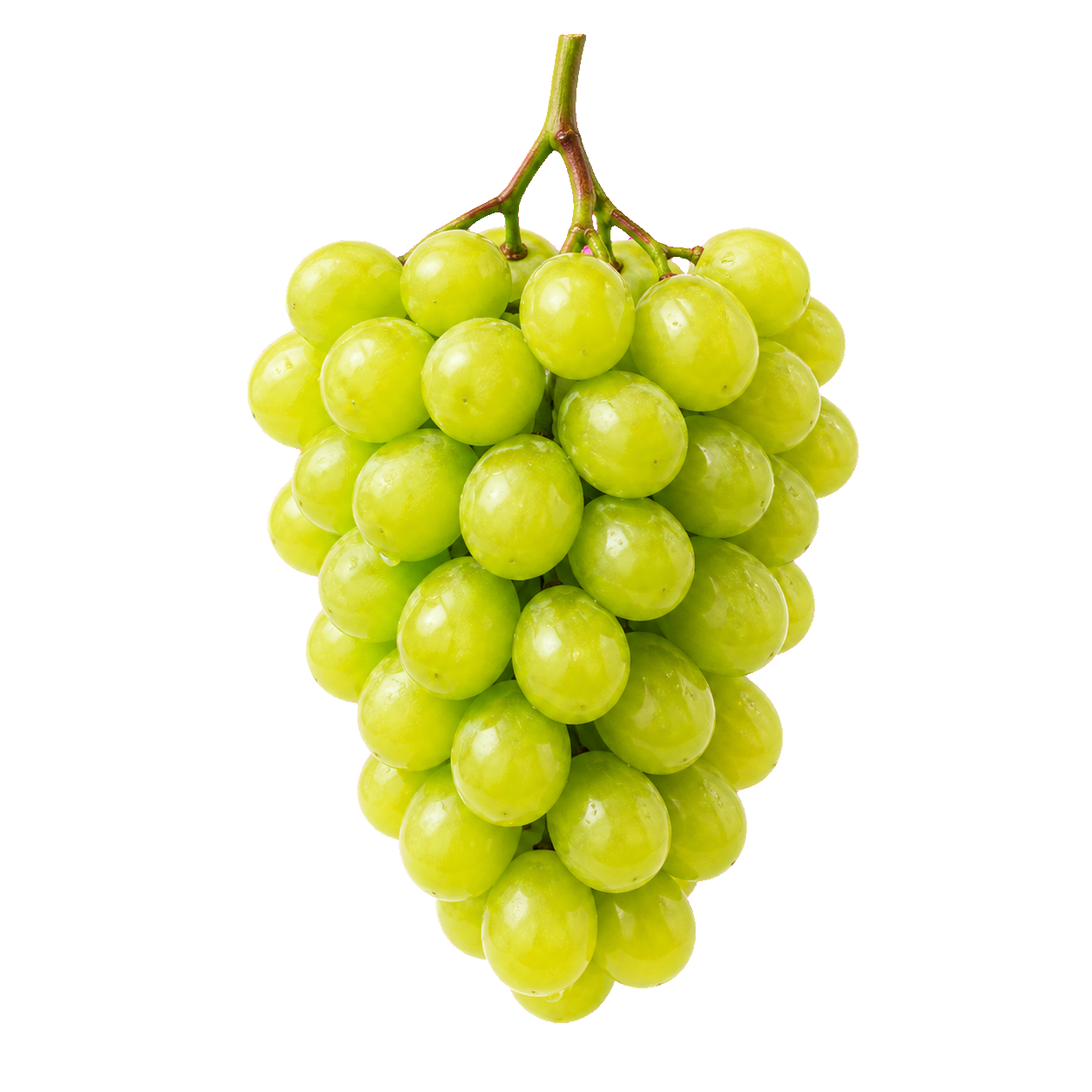
Shine Muscat is a Japanese-bred green table grape with unusually large berries, no seeds, edible skin and a pronounced muscat aroma. The eating experience is closer to a dessert than to a commodity grape: high sugar, firm crunch, almost no acidity, and a floral finish that most people notice before they have finished the first berry.
Chapter 03 · Product detail
Varieties we handle
It has moved from novelty to genuine demand in India inside a few seasons. Modern retail sells it as a premium line, gifting has picked it up, and it commands a multiple of standard imported grape pricing. The commercial reality is that a buyer who lists it correctly rarely has trouble moving it — the constraint is supply and arrival condition, not demand.
- 01Whole form
- 02First reveal
- 03Structure
- 04Prepared detail
- 05Interior focus
Chapter 04 · Inside
Shine Muscat vs standard table grapes
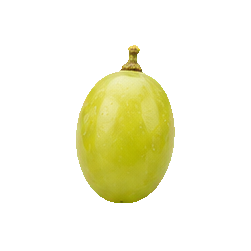
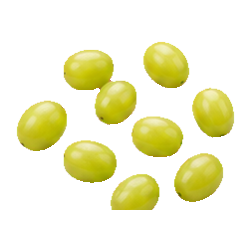
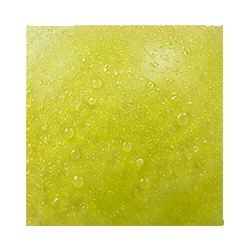
Natural structure
Fresh visual cues
Chapter 05 · Selection
Season and origins
- 01
Berry size and uniformity — the first thing a shopper judges on a premium bunch
- 02
Bloom — the natural waxy coating; intact bloom indicates the fruit has not been over-handled
- 03
Bunch form and fill — well-shaped, not gappy, not so tight that berries crush each other
- 04
Brix — measured sugar level, specified rather than assumed, particularly on Shine Muscat
- 05
Rachis condition — green, flexible stems are the clearest freshness indicator on any grape
- 06
Shatter resistance — berries that stay attached through transit and handling
Chapter 06 · Origin to arrival
Shine Muscat grapes price in India
The catch is that Shine Muscat is a fragile fruit. Large berries bruise, the bunch sheds if it is handled roughly, and the eating quality collapses if the cold chain breaks. This is not a variety to buy on price.
- 01
Orchard
- 02
Harvest
- 03
Selection
- 04
Packing
- 05
Cold storage
- 06
Shipping
- 07
Arrival
- 08
Distribution
Product gallery
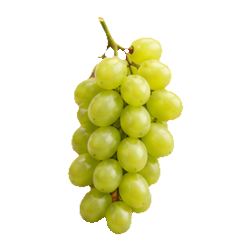
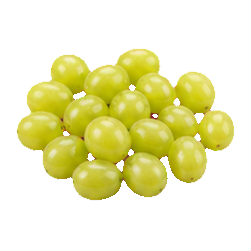

Shine Muscat grapes
Shine Muscat is a Japanese-bred green table grape with unusually large berries, no seeds, edible skin and a pronounced muscat aroma. The eating experience is closer to a dessert than to a commodity grape: high sugar, firm crunch, almost no acidity, and a floral finish that most people notice before they have finished the first berry.
It has moved from novelty to genuine demand in India inside a few seasons. Modern retail sells it as a premium line, gifting has picked it up, and it commands a multiple of standard imported grape pricing. The commercial reality is that a buyer who lists it correctly rarely has trouble moving it — the constraint is supply and arrival condition, not demand.
The catch is that Shine Muscat is a fragile fruit. Large berries bruise, the bunch sheds if it is handled roughly, and the eating quality collapses if the cold chain breaks. This is not a variety to buy on price.
Varieties we handle
| Variety | Character | Position |
|---|---|---|
| Shine Muscat | Large green seedless berries, edible skin, high sugar, distinct muscat aroma | Premium and gifting — the trend variety |
| Crimson Seedless | Firm red seedless berries, crisp bite, excellent shelf life | Reliable premium retail |
| Green seedless types | Crisp, sweet, high-volume commercial grades | Everyday retail |
| Black seedless types | Deep colour, sweet, strong shelf presence | Retail and festive demand |
Shine Muscat vs standard table grapes
A standard green seedless grape is bought on price and moved on volume. Shine Muscat is bought on experience and moved on recognition — the berries are two to three times larger, the skin is thin enough to eat rather than peel, and the muscat aroma is unmistakable to anyone who has tried it once.
For a retailer that means it sits in a different part of the shelf and a different part of the margin structure. It also means it cannot be substituted quietly. A customer who came in for Shine Muscat will not accept a commercial green grape, which is why supply planning matters more on this variety than on any other grape we handle.
Season and origins
The imported grapes season in India runs July to November, peaking in September. That window matters: India's own Nashik grape season runs roughly January to April, so imported supply covers the second half of the year when domestic fruit is gone.
Chinese grapes
China is the primary origin for Shine Muscat reaching India, with large-scale production and a short sailing time that helps a fragile variety arrive in condition. Also supplies commercial green and black seedless grades.
Vietnamese grapes
The shortest transit of any origin in our network, which for a delicate fruit is a meaningful advantage. Supplies through the second half of the year alongside Chinese fruit.
Shine Muscat grapes price in India
Shine Muscat prices well above every other grape in the range, and the spread within Shine Muscat itself is wide — berry size, bunch weight, sugar level, brix consistency and arrival condition all move the number materially. A premium-grade bunch and a commercial-grade bunch of the same variety are not close on price.
For Shine Muscat grapes wholesale, tell us the grade, pack format, monthly volume and delivery city. We quote landed pricing with the arrival window it holds for. Standard imported grape grades are quoted the same way.
What we select for
- 01
Berry size and uniformity — the first thing a shopper judges on a premium bunch
- 02
Bloom — the natural waxy coating; intact bloom indicates the fruit has not been over-handled
- 03
Bunch form and fill — well-shaped, not gappy, not so tight that berries crush each other
- 04
Brix — measured sugar level, specified rather than assumed, particularly on Shine Muscat
- 05
Rachis condition — green, flexible stems are the clearest freshness indicator on any grape
- 06
Shatter resistance — berries that stay attached through transit and handling
Handling and cold chain
Grapes are carried at around 0 to 1°C and are usually shipped with sulphur dioxide pads to control botrytis and decay during a long voyage. Getting the SO2 dosage right matters in both directions — too little and the fruit rots, too much and it bleaches the berries and taints the flavour.
Grapes also lose moisture through the rachis, which is why stems dry out and berries shatter when humidity is not managed. Consignments are precooled at origin, moved under continuous temperature control and condition-checked before release.
Supply and pack formats
Supplied in original export cartons and punnets depending on grade and variety, to distributors, wholesale traders at Vashi APMC and Azadpur mandi, modern retail chains, HoReCa and gifting programmes. Shine Muscat is typically handled as a planned allocation rather than an open-market lot.
Frequently asked questions
What are Shine Muscat grapes?
A Japanese-bred green table grape with large seedless berries, edible skin, high sugar and a distinctive muscat aroma. It is the premium grape variety in the Indian market.
Why are Shine Muscat grapes expensive?
Limited production, high growing input, fragile handling requirements and strong demand. The variety needs careful cold-chain management, and losses on a poorly handled consignment are severe.
When are imported grapes available in India?
July to November, peaking in September, from China and Vietnam. India's own Nashik season covers roughly January to April.
What is the wholesale price of Shine Muscat grapes in India?
It depends on berry size, bunch weight, brix, grade and arrival condition, and the range within the variety is wide. Send your grade and volume for a current landed quote.
Do Shine Muscat grapes have seeds?
No. Shine Muscat is seedless, and the skin is thin enough to eat rather than peel.
Continue exploring
Start a conversation
Bring premium grapes to your market
Tell us the variety, grade and volume you need. Our teams in Navi Mumbai and Delhi will confirm availability and landed pricing.