
Chapter 01 · Core Essentials
Imported Pears in India




PR Agrifresh imports pears into India from South Africa and China between January and September. Forelle and Vermont Beauty are our signature selections, alongside Packham's Triumph and Williams. Known in India as nashpati, imported pears sell on a finer texture and cleaner sweetness than most domestic supply.
- Origins
- South Africa · China
- Season
- January — September
- Handling
- Temperature controlled
Chapter 02 · Character
Season and origins
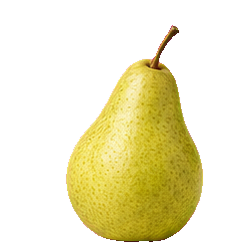
The imported pear season in India runs January to September, peaking around May. South Africa supplies the bulk of the premium range with a harvest that lands squarely in India's off-season. Chinese pears cover a separate part of the calendar with shorter sailing times and different varieties — crisper, rounder, higher water content, closer to what Indian consumers know as a nashpati.
Chapter 03 · Product detail
Varieties we handle
Week-by-week shipping windows for every variety are published on our pear shipping calendar, drawn from CoreFruit's export schedule.
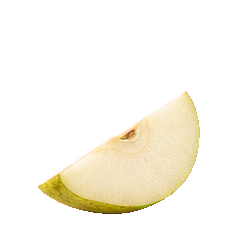
- 01Whole form
- 02First reveal
- 03Structure
- 04Prepared detail
- 05Interior focus
Chapter 04 · Inside
Ripening — the thing that decides whether a pear sells
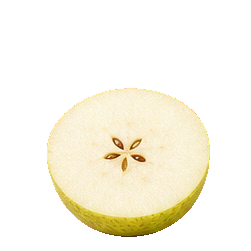
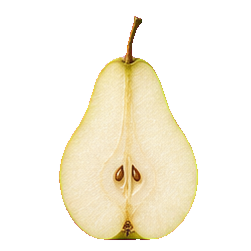
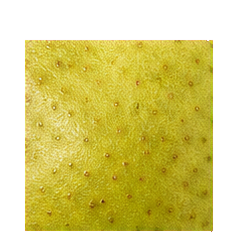
Natural structure
Fresh visual cues
Chapter 05 · Selection
Pear price in India
- 01
Blush development on Forelle and Vermont Beauty — the red cheek is what a shopper buys
- 02
Firmness at packing, measured so the ripening window can be predicted rather than hoped for
- 03
Skin finish — free of scuffing, friction marking and bruising, which pears show more readily than apples
- 04
Neck integrity on Williams, where the tapered end damages easily
- 05
Count uniformity within the carton
- 06
Absence of internal breakdown — the disorder that appears only when the fruit is cut
Seasonal reference · 52 weeks
Pear shipping calendar
Explore variety-level shipping windows across the year. Scroll horizontally to examine individual weeks.
Reference shipping windows published by CoreFruit. Actual PR Agrifresh availability may vary by origin, crop conditions, programme and logistics.
Chapter 06 · Origin to arrival
What we select for
Pears are picked firm and ripen after harvest, which is what makes them shippable and also what makes them tricky. A pear that arrives rock hard sits unsold; a pear that arrives soft is already losing money. The commercial skill is landing them in the window between.
- 01
Orchard
- 02
Harvest
- 03
Selection
- 04
Packing
- 05
Cold storage
- 06
Shipping
- 07
Arrival
- 08
Distribution
Product gallery
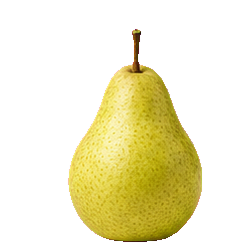
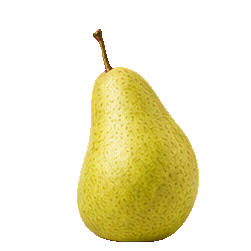
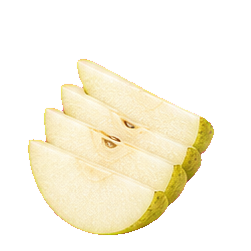

Season and origins
The imported pear season in India runs January to September, peaking around May. South Africa supplies the bulk of the premium range with a harvest that lands squarely in India's off-season. Chinese pears cover a separate part of the calendar with shorter sailing times and different varieties — crisper, rounder, higher water content, closer to what Indian consumers know as a nashpati.
Varieties we handle
| Variety | Character | Notes |
|---|---|---|
| Forelle | Small to medium, yellow-green with a distinctive red blush and freckling. Crisp, sweet, fine-grained | Our signature pear. Strong shelf presence |
| Vermont Beauty | Similar blush and freckling to Forelle, juicy with a gentle aromatic sweetness | Frequently packed alongside Forelle |
| Packham's Triumph | Classic green pear, smooth, juicy, sweet when ripened | High-volume commercial variety |
| Williams' Bon Chrétien | Aromatic, buttery when ripe, yellow at maturity | Eating and processing |
| Doyenné du Comice | Very juicy, fine flesh, considered among the best-eating pears grown | Premium retail |
| Golden Russet Bosc | Bronze russeted skin, dense flesh, holds shape when cooked | Culinary and food service |
| Cheeky, QTee, Rosemarie, Flamingo | Blush and club-variety selections with strong colour | Branded and licensed programmes |
Week-by-week shipping windows for every variety are published on our pear shipping calendar, drawn from CoreFruit's export schedule.
Ripening — the thing that decides whether a pear sells
Pears are picked firm and ripen after harvest, which is what makes them shippable and also what makes them tricky. A pear that arrives rock hard sits unsold; a pear that arrives soft is already losing money. The commercial skill is landing them in the window between.
That means holding cold through transit to suspend ripening, then allowing a controlled warm-up close to the point of sale. Retailers running a pear programme properly plan for this. Retailers who treat pears like apples lose fruit on both ends.
Pear price in India
Pear wholesale price moves with variety, origin, count size, grade and arrival week. Blush and club varieties price above commercial Packham. South African fruit prices differently from Chinese. We quote against a specification with a stated arrival window rather than publishing a rate card.
What we select for
- 01
Blush development on Forelle and Vermont Beauty — the red cheek is what a shopper buys
- 02
Firmness at packing, measured so the ripening window can be predicted rather than hoped for
- 03
Skin finish — free of scuffing, friction marking and bruising, which pears show more readily than apples
- 04
Neck integrity on Williams, where the tapered end damages easily
- 05
Count uniformity within the carton
- 06
Absence of internal breakdown — the disorder that appears only when the fruit is cut
Handling and cold chain
Pears are carried at around -0.5 to 0°C, colder than most fruit in the range, specifically to hold ripening in suspension. They are highly sensitive to ethylene and will ripen prematurely if stored or shipped with apples. Consignments are precooled at origin, moved under continuous temperature control and condition-checked before release.
Supply and pack formats
As an imported pear supplier in India we supply original export cartons across standard count sizes to distributors, wholesale traders at Vashi APMC and Azadpur mandi, retail chains, HoReCa and institutional buyers.
Frequently asked questions
What is a Forelle pear?
A small to medium pear with yellow-green skin, a distinctive red blush and freckling. Crisp, sweet and fine-grained, mainly from South Africa. It is PR Agrifresh's signature pear selection.
When is imported pear season in India?
January to September, peaking around May, from South Africa and China.
How do I ripen an imported pear?
Hold at room temperature and press gently near the stem — a pear ripens from the inside out, so the neck softens before the body. Refrigerate once it gives slightly to slow further ripening.
What is the difference between South African and Chinese pears?
South African pears cover the premium European-style range — Forelle, Vermont Beauty, Packham — with a soft, fine-grained eating character. Chinese pears are typically rounder, crisper and higher in water content, closer to a traditional nashpati.
What is the wholesale price of imported pears in India?
It varies by variety, origin, count and arrival week. Send your specification and volume for a current landed quote.
Continue exploring
Start a conversation
Bring premium pears to your market
Tell us the varieties, count sizes and volume you need, and our teams in Navi Mumbai and Delhi will confirm availability and pricing.