
Chapter 01 · Seasonal Delights
Fresh Wet Dates in India



PR Agrifresh imports fresh wet dates into India from Egypt between August and October. These are Barhi-type dates supplied at the rutab stage — soft, glossy and caramel-toned — and they are a genuinely different product from the dry khajur most Indian buyers know.
- Origins
- Egypt
- Season
- August — October
- Handling
- Temperature controlled
Chapter 02 · Character
Wet dates vs dry dates
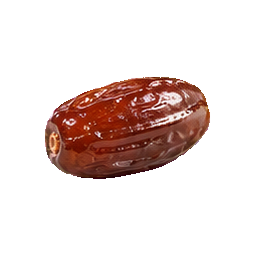
A date passes through four stages on the palm. Kimri is immature and inedible. Khalal is fully sized but still firm and crisp, yellow or red depending on variety, with a mild astringency. Rutab is the soft stage — moisture still high, sugars fully developed, texture yielding and syrupy. Tamr is the final dried stage, which is what most of the world calls a date.
Chapter 03 · Product detail
Barhi dates
Wet dates are sold at khalal or rutab. That means high moisture, a short shelf life and a mandatory cold chain — they are a fresh fruit in every commercial sense. Dry dates are shelf-stable and travel like a grocery product.
- 01Whole form
- 02First reveal
- 03Structure
- 04Prepared detail
- 05Interior focus
Chapter 04 · Inside
Wet dates season
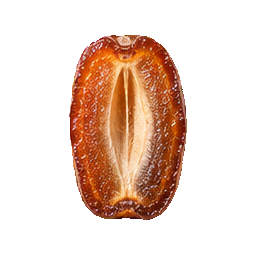
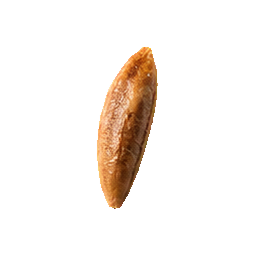
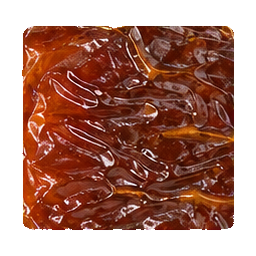
Natural structure
Fresh visual cues
Chapter 05 · Selection
Wet dates price in India
- 01
Ripening stage — khalal or rutab, specified in writing, because the two are entirely different products on the shelf
- 02
Skin gloss and integrity — a dull or wrinkled skin means moisture has already been lost
- 03
Colour uniformity across the strand or pack
- 04
Flesh texture — supple and yielding without being collapsed or fermenting
- 05
Absence of fermentation odour, which is the first sign a cold chain has broken
- 06
Strand condition where fruit is presented on the bunch
Chapter 06 · Origin to arrival
What we select for
The eating experience is not comparable. A rutab Barhi has a light caramel flavour and a texture closer to a soft toffee than to the dense chew of a dried date. For a retailer it is a short-season premium line, not a year-round staple.
- 01
Orchard
- 02
Harvest
- 03
Selection
- 04
Packing
- 05
Cold storage
- 06
Shipping
- 07
Arrival
- 08
Distribution
Product gallery

Wet dates vs dry dates
A date passes through four stages on the palm. Kimri is immature and inedible. Khalal is fully sized but still firm and crisp, yellow or red depending on variety, with a mild astringency. Rutab is the soft stage — moisture still high, sugars fully developed, texture yielding and syrupy. Tamr is the final dried stage, which is what most of the world calls a date.
Wet dates are sold at khalal or rutab. That means high moisture, a short shelf life and a mandatory cold chain — they are a fresh fruit in every commercial sense. Dry dates are shelf-stable and travel like a grocery product.
The eating experience is not comparable. A rutab Barhi has a light caramel flavour and a texture closer to a soft toffee than to the dense chew of a dried date. For a retailer it is a short-season premium line, not a year-round staple.
Barhi dates
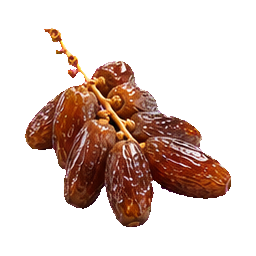
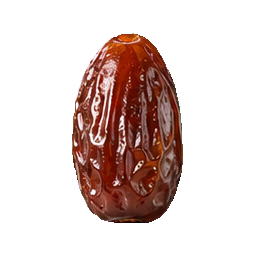
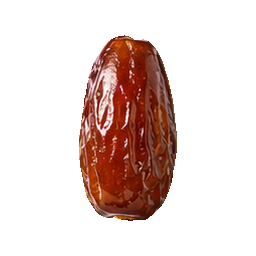
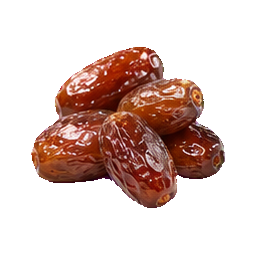
Barhi is the variety the fresh date trade is built on. Small, round to slightly oval, bright yellow at the khalal stage and turning amber to deep brown as it softens through rutab. High sugar, low tannin, with a distinct caramel and butterscotch character that makes it the most approachable fresh date for a market that has not eaten them before.
It is often sold on the strand — the whole bunch still attached — which is visually striking on a retail display and is a large part of why it commands a premium during its short window.
Wet dates season
Egyptian wet dates arrive August to October, peaking in September. It is one of the two shortest seasons in our range, and it does not repeat — fruit missed in that window is gone until the following year. Buyers planning a wet date programme need to commit at origin well before the fruit lands.
Wet dates price in India
Wet dates price moves with ripening stage, presentation format, grade, pack size and arrival week. Strand-presented fruit prices above loose. Rutab-stage fruit prices differently from khalal. And because the season is so short, arrival week matters more here than on almost any other commodity we handle.
As a dates importer in India we quote per consignment against a specification rather than publishing a rate card. Send stage, presentation format, volume and delivery city for current landed pricing.
What we select for
- 01
Ripening stage — khalal or rutab, specified in writing, because the two are entirely different products on the shelf
- 02
Skin gloss and integrity — a dull or wrinkled skin means moisture has already been lost
- 03
Colour uniformity across the strand or pack
- 04
Flesh texture — supple and yielding without being collapsed or fermenting
- 05
Absence of fermentation odour, which is the first sign a cold chain has broken
- 06
Strand condition where fruit is presented on the bunch
Handling and cold chain
Wet dates are the most cold-chain-dependent product in our range. They are held at or near 0°C, and are frequently moved frozen where the programme allows it, because high moisture and high sugar make them prone to fermentation the moment temperature rises.
There is no recovering a warm consignment of wet dates. They ferment, they soften past usability and the smell tells you before anything else does. Consignments are precooled at origin, moved under continuous temperature control and condition-checked before release.
Supply and pack formats
Supplied in original export cartons, punnets and strand presentations depending on programme, to distributors, wholesale traders at Vashi APMC and Azadpur mandi, retail chains, gifting programmes and food-service buyers.
Frequently asked questions
What are wet dates?
Dates harvested and sold at the khalal or rutab stage, before drying. They are soft, high in moisture, require refrigeration and eat quite differently from dried dates.
What is the difference between wet dates and dry dates?
Moisture and stage. Wet dates are a fresh fruit with a short shelf life and a mandatory cold chain. Dry dates are the fully dried tamr stage and are shelf-stable. The texture and flavour are not comparable.
What are Barhi dates?
The main fresh date variety, bright yellow when firm and turning amber as it softens, with a caramel and butterscotch character. Often sold on the strand.
When is wet date season in India?
August to October, peaking in September, imported from Egypt. It is a short window that does not repeat within the year.
How should wet dates be stored?
Refrigerated, at or near 0°C, and frozen for longer holds. At room temperature they ferment quickly because of their high moisture and sugar content.
Continue exploring

Start a conversation
Bring premium wet dates to your market
Tell us the stage, presentation format and volume you need. The season is short — plan early. Our teams in Navi Mumbai and Delhi will confirm availability and landed pricing.