
Chapter 01 · Citrus Selections
Imported Mandarin Oranges in India





Mandarins are the fruit PR Agrifresh is known for. We import them from China between December and July and from South Africa between August and November, covering the extended period when India's own kinnow and Nagpur santra seasons are closed. Deep rind colour, effortless peel, seedless eating and a balanced sugar-acid finish — those four cues decide what we buy.
- Origins
- China · South Africa
- Season
- Year-round
- Handling
- Temperature controlled
Chapter 02 · Character
Origins and season

The mandarin orange season in India for domestic fruit runs roughly December to February. Imported supply covers all twelve months — China from December to July, South Africa from August to November — which is why a retailer can list premium citrus year-round rather than for one quarter.
Chapter 03 · Product detail
Varieties we handle
The variety behind most premium South African mandarin programmes. Late-season, deep orange, seedless when grown in isolation from cross-pollinating varieties, with a rich sweet finish and firm rind that travels well. If a buyer asks for a premium mandarin in India without naming a variety, Nadorcott is usually what they mean.

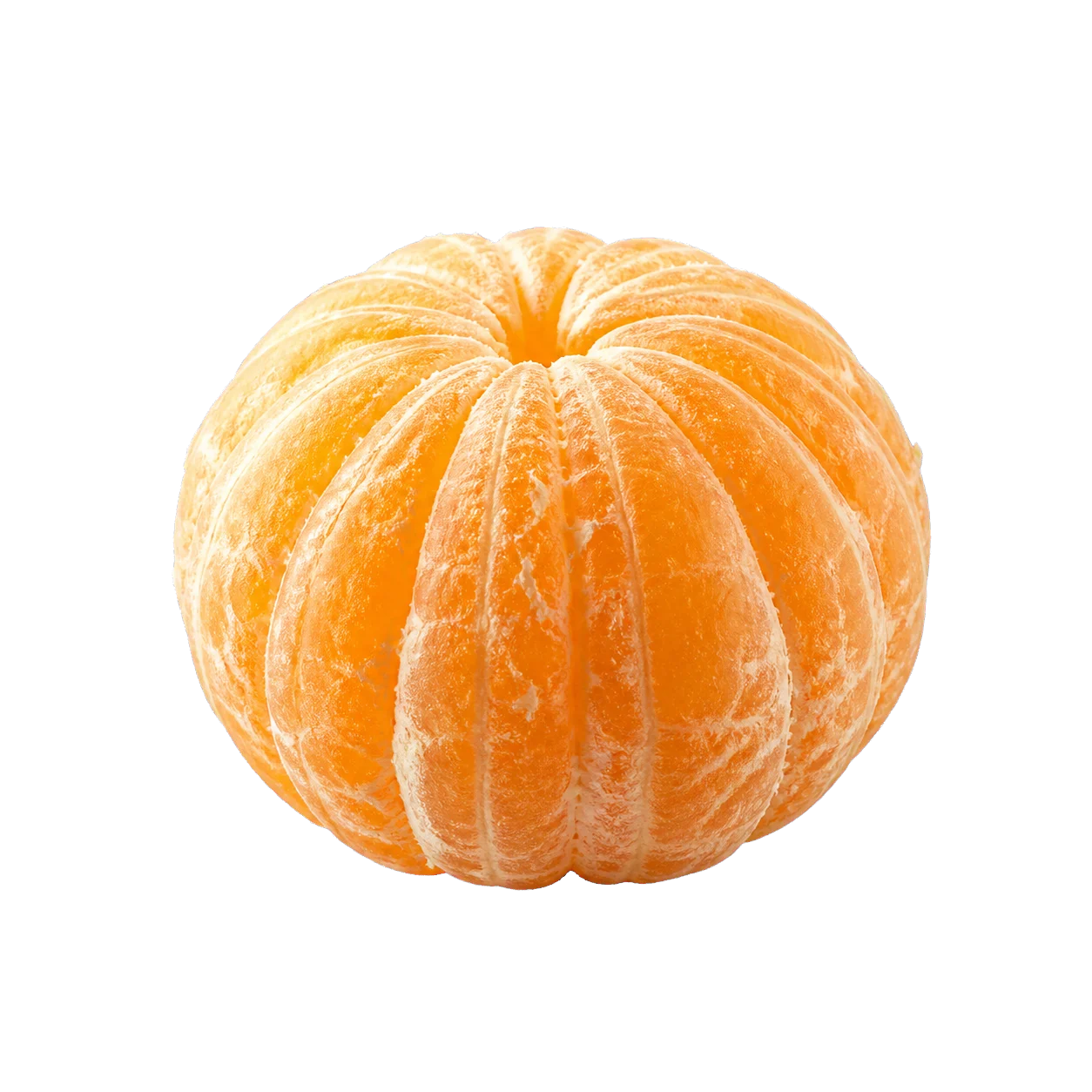

- 01Whole form
- 02First reveal
- 03Structure
- 04Prepared detail
- 05Interior focus
Chapter 04 · Inside
Seedless mandarin oranges


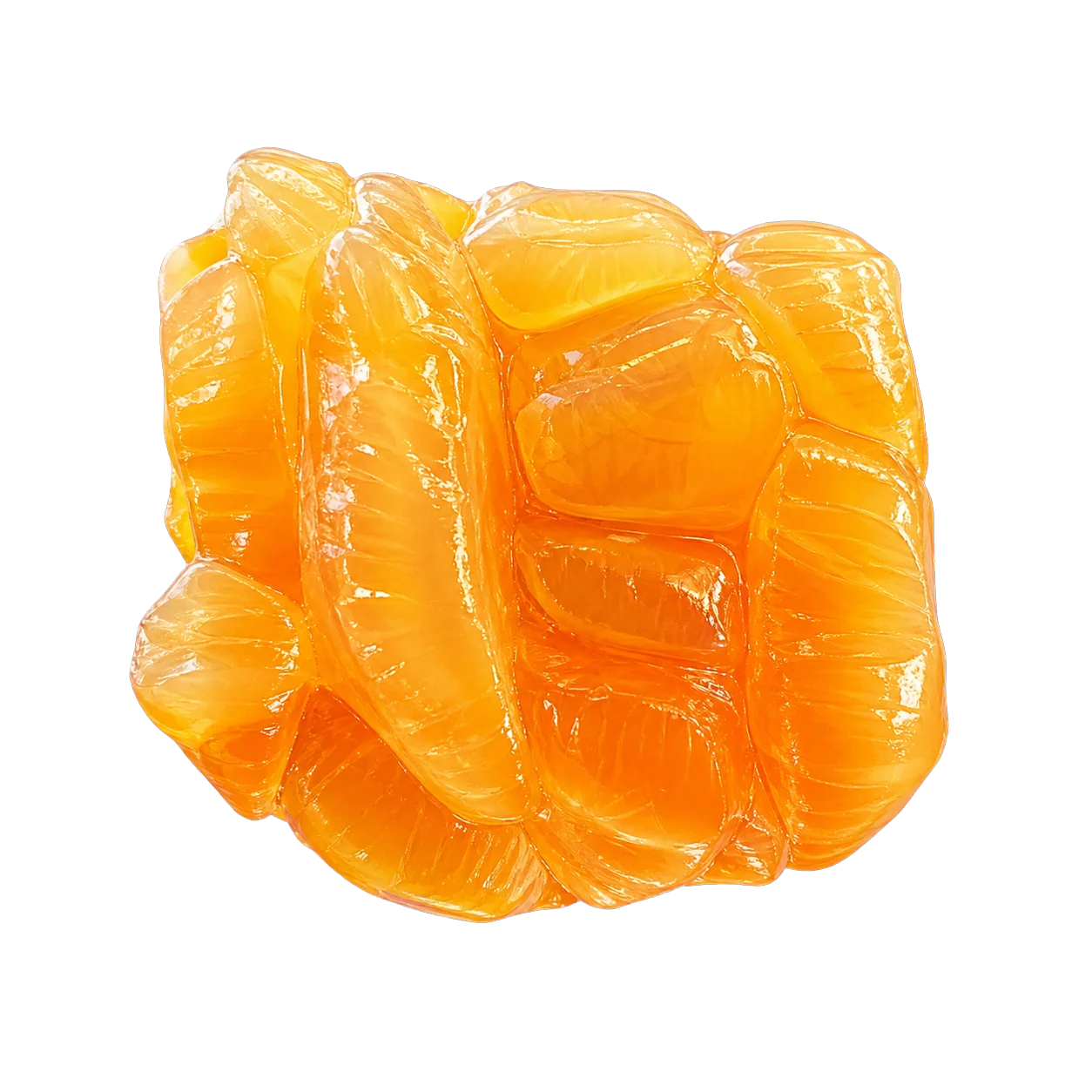
Natural structure
Fresh visual cues
Chapter 05 · Selection
Kinnow vs imported mandarin
- 01
Rind colour — full, even orange break with no green shoulder, which is the first thing a shopper judges
- 02
Peelability — rind that lifts cleanly without tearing the segments, the single strongest driver of repeat purchase
- 03
Seed count — specified per consignment, not assumed
- 04
Sugar-acid balance — sweet without being flat; measured at packing, not guessed at arrival
- 05
Rind firmness — enough structure to survive five weeks at sea without puffing or softening
- 06
Count uniformity — consistent sizing within the carton so retail pricing works
Chapter 06 · Origin to arrival
Mandarin orange price in India
Very sweet, deep colour, slightly firmer to peel than a Clementine. A strong mid-to-late season option.
- 01
Orchard
- 02
Harvest
- 03
Selection
- 04
Packing
- 05
Cold storage
- 06
Shipping
- 07
Arrival
- 08
Distribution
Product gallery





Origins and season
| Origin | Window | Character |
|---|---|---|
| China | December — July | The long window. Early Satsuma and Clementine types with good early colour, opening the year before southern-hemisphere fruit arrives |
| South Africa | August — November | The premium tier. Nadorcott and Murcott types with deep colour, seedless eating and long shelf life |
The mandarin orange season in India for domestic fruit runs roughly December to February. Imported supply covers all twelve months — China from December to July, South Africa from August to November — which is why a retailer can list premium citrus year-round rather than for one quarter.
Varieties we handle
Nadorcott
The variety behind most premium South African mandarin programmes. Late-season, deep orange, seedless when grown in isolation from cross-pollinating varieties, with a rich sweet finish and firm rind that travels well. If a buyer asks for a premium mandarin in India without naming a variety, Nadorcott is usually what they mean.
Murcott
Very sweet, deep colour, slightly firmer to peel than a Clementine. A strong mid-to-late season option.
Clementine and Satsuma types
Early-season, easy-peel and typically seedless. Smaller fruit with bright acidity — these open the imported citrus calendar in December and January.
sweetC
A branded easy-peel citrus programme selected for consistent sweetness and eating quality. Branded mandarin lines carry recognition on a modern-retail shelf and hold their price better through the season than generic cartons.
Seedless mandarin oranges
Seedlessness is the first question almost every buyer asks, and the honest answer is that it depends on the block. Nadorcott, Clementine and Satsuma types are seedless when grown away from cross-pollinating varieties and can carry seeds when they are not. We buy from blocks and packhouses with a known record, and seed count forms part of the agreed specification rather than being left to chance.
Kinnow vs imported mandarin
Kinnow is a Punjab and Haryana staple, harvested December to February, juicy and highly aromatic — and seedy, with a rind that clings. It is excellent value and it is a different product.
Imported mandarins sell on peelability, seed-free eating, uniform size and a longer availability window. A consumer paying a premium is paying to not deal with seeds and to eat citrus in July. Neither fruit replaces the other, and the retailers who do best carry both in their respective seasons.
Mandarin orange price in India
Landed price moves with origin, variety, count size, grade, brand licensing, freight and the arrival week. Early-season Chinese fruit prices differently from late-season South African Nadorcott, and a branded programme carries a premium over a generic carton of the same variety.
We do not publish a rate card because it would be wrong within a fortnight. For mandarin orange wholesale price against your specification, send the count size, grade, monthly volume and delivery city, and we will quote with the arrival window the price holds for.
What we select for
- 01
Rind colour — full, even orange break with no green shoulder, which is the first thing a shopper judges
- 02
Peelability — rind that lifts cleanly without tearing the segments, the single strongest driver of repeat purchase
- 03
Seed count — specified per consignment, not assumed
- 04
Sugar-acid balance — sweet without being flat; measured at packing, not guessed at arrival
- 05
Rind firmness — enough structure to survive five weeks at sea without puffing or softening
- 06
Count uniformity — consistent sizing within the carton so retail pricing works
Handling and cold chain
Mandarins are carried at around 4 to 7°C. Below that range citrus is at risk of chilling injury — pitting and rind breakdown that only shows up after the fruit reaches the shelf, which makes it the most expensive kind of damage because it is invisible on arrival. Fruit is precooled at origin, moved under continuous temperature control and condition-checked before release into distribution.
Supply and pack formats
Available in original export cartons in standard count sizes, supplied to distributors, wholesale traders at Vashi APMC and Azadpur mandi, modern retail chains, HoReCa buyers and institutional procurement. Programmes are planned by season and arrival week rather than sold container by container.
Frequently asked questions
When are imported mandarin oranges available in India?
Year-round. Chinese fruit covers December to July; South African fruit runs August to November and carries the premium late-season varieties.
Are imported mandarins seedless?
Nadorcott, Clementine and Satsuma types are seedless when grown away from cross-pollinating varieties. Seed count is agreed as part of the consignment specification.
What is the difference between kinnow and imported mandarin?
Kinnow is an Indian winter citrus — juicy, aromatic, seedy and tight-skinned. Imported mandarins are selected for easy peeling, seed-free eating and availability across the full year.
What is the wholesale price of imported mandarins in India?
It varies by origin, variety, count and arrival week. Send your specification and volume and we will quote current landed pricing with the window it applies to.
What is a Nadorcott mandarin?
A late-season mandarin variety, mainly from South Africa, known for deep colour, easy peel, seedless eating and a rich sweet finish. It is the basis of most premium mandarin programmes reaching India.
Continue exploring
Start a conversation
Bring premium mandarins to your market
Tell us the variety, count size, volume and city. Our teams in Navi Mumbai and Delhi will confirm availability and landed pricing.